Buon appetito! Why the words behind Italian food and drink matter
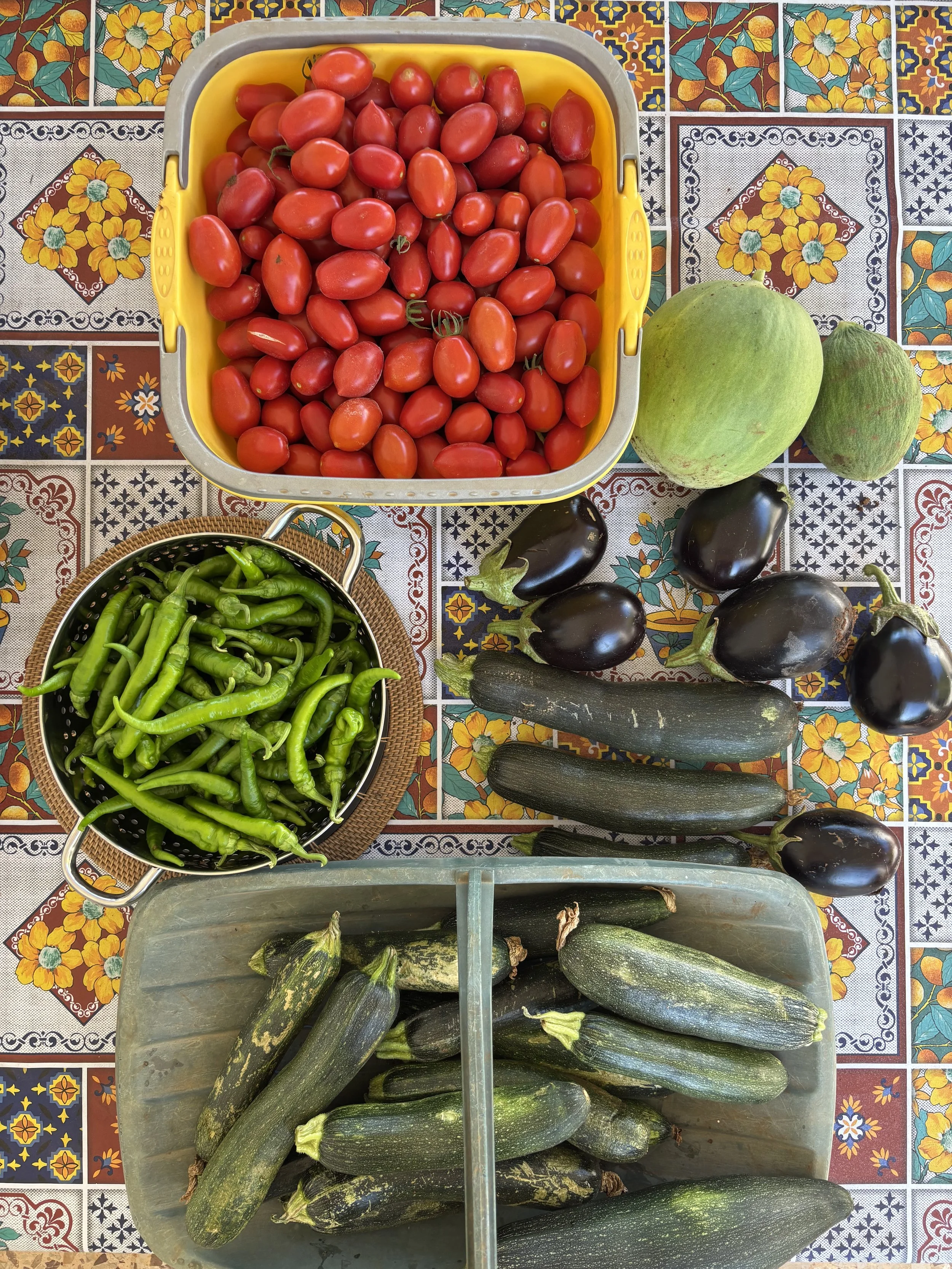
Vegetables from our family orto in Puglia
There's something about sitting down to eat in Puglia that stays with you. The simplicity of the dishes, the quality of the ingredients, the way a plate of orecchiette con cime di rapa or a bowl of fave e cicoria tells you everything you need to know about the land it came from and the people who made it.
Having spent a good deal of time eating my way round the region, I've developed a deep appreciation for the regionality of Italian food and every dish tells a story. It's perspective that shapes the way I approach translation and writing in the food and drink space, because when it comes to Italian food, the words matter enormously.
Food is culture, and culture doesn't translate itself
In December 2025, Italian cuisine became the first entire national culinary tradition to be inscribed on UNESCO's Representative List of Intangible Cultural Heritage. As UNESCO described it, Italian cooking is a living heritage rooted in community, craftsmanship and the passing of knowledge from one generation to the next.
Italian food culture is rich, regional and fiercely proud of its roots. The concept of cucina povera (the "poor kitchen" of peasant cooking that gave rise to some of Italy's most beloved dishes) is a perfect example. It's not just a description of simple ingredients; it's a whole philosophy of resourcefulness, seasonality and respect for the land. Translating that for an English-speaking audience requires more than linguistic skill. It requires genuine cultural understanding.
The same applies across the Italian food and drink world, from the olive oil estates of Puglia to the family-run food brands preserving centuries-old recipes. Each has a story rooted in place, tradition and passion, and each deserves to have that story told in English with the same care and authenticity.
Who needs Italian food and drink translation?
Whether you're a small artisan producer looking to reach international markets, an importer introducing Italian products to UK consumers, or a restaurant wanting your menus and brand story to resonate with English-speaking diners, the quality of your English-language content can make a real difference to how you are perceived.
Some of the content I can help with includes:
Website and brand content, bringing the story behind a producer, region or product to life for an international audience
Menu translation, a deceptively tricky task that balances accuracy with the kind of evocative language that makes a dish sound genuinely appealing
Press releases and media pitches, for food brands, importers and hospitality businesses targeting UK and international press
Social media and digital content, where food writing needs to be atmospheric, engaging and true to the brand's identity
Articles, features and editorial content for food publications, travel titles and lifestyle media covering Italian cuisine
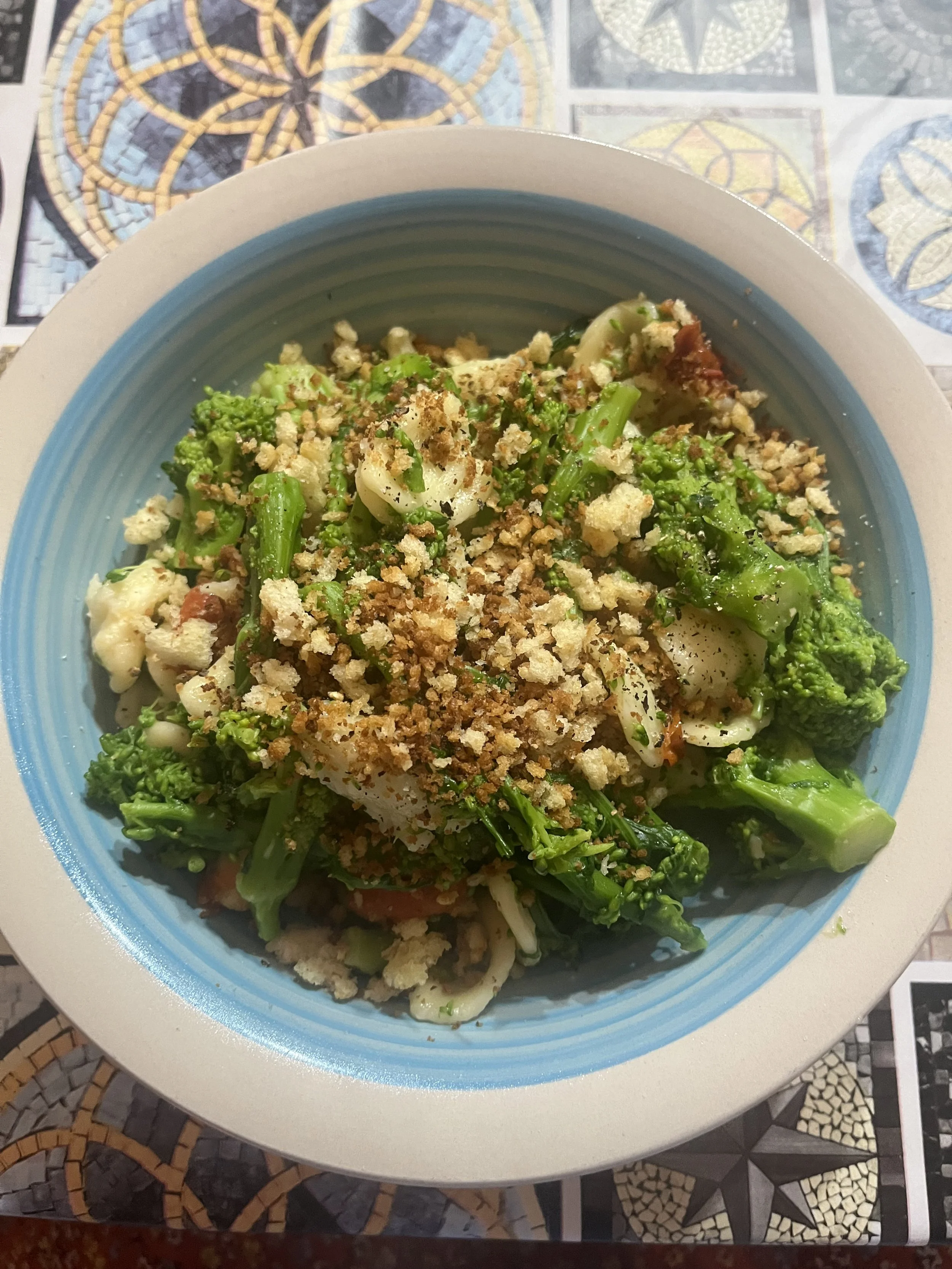
Nonna’s orecchiette con cime di rapa
The fine line between translation and transcreation
Food writing is one of those areas where the line between translation and transcreation (the art of recreating content in a new language while preserving its spirit and emotional impact) becomes particularly important.
A literal translation of a product description or menu item can easily lose the warmth, the sensory appeal and the sense of place that makes Italian food so compelling. Equally, transcreation without deep knowledge of the source culture risks creating something that sounds nice in English but doesn't quite ring true to the original.
Getting that balance right is something I find genuinely absorbing. It draws on everything: language, cultural knowledge, food writing instinct, and a real feel for what an English-speaking audience wants from Italian food content.
A final thought
Italian food has a devoted, ever-growing following in the UK and beyond. English-speaking consumers are more curious than ever about provenance, regionality and the stories behind what they eat and drink. For Italian food and drink businesses and brands, that represents a real opportunity, but only if the communication is on point.
If you have Italian food or drink content that needs to reach an English-speaking audience, I'd love to find out more about what you're working on and how I might be able to help.
Get in touch at ciao@laurengilltranslates.com or visit the Translation and Writing pages to find out more.