Beyond words: what Italian-to-English translation can do for arts and culture organisations
I’ve been working in marketing at an art gallery for the past year alongside my freelance work, and there’s a moment I’ve noticed that never gets old. A visitor reads the exhibition text, and their expression shifts as they begin to understand the artwork and its context. When that story starts in Italian, getting it right in English requires more than a literal, word-for-word conversion. It calls for sensitivity to tone, cultural nuance and the artist’s intent so the narrative carries the same meaning and feeling.
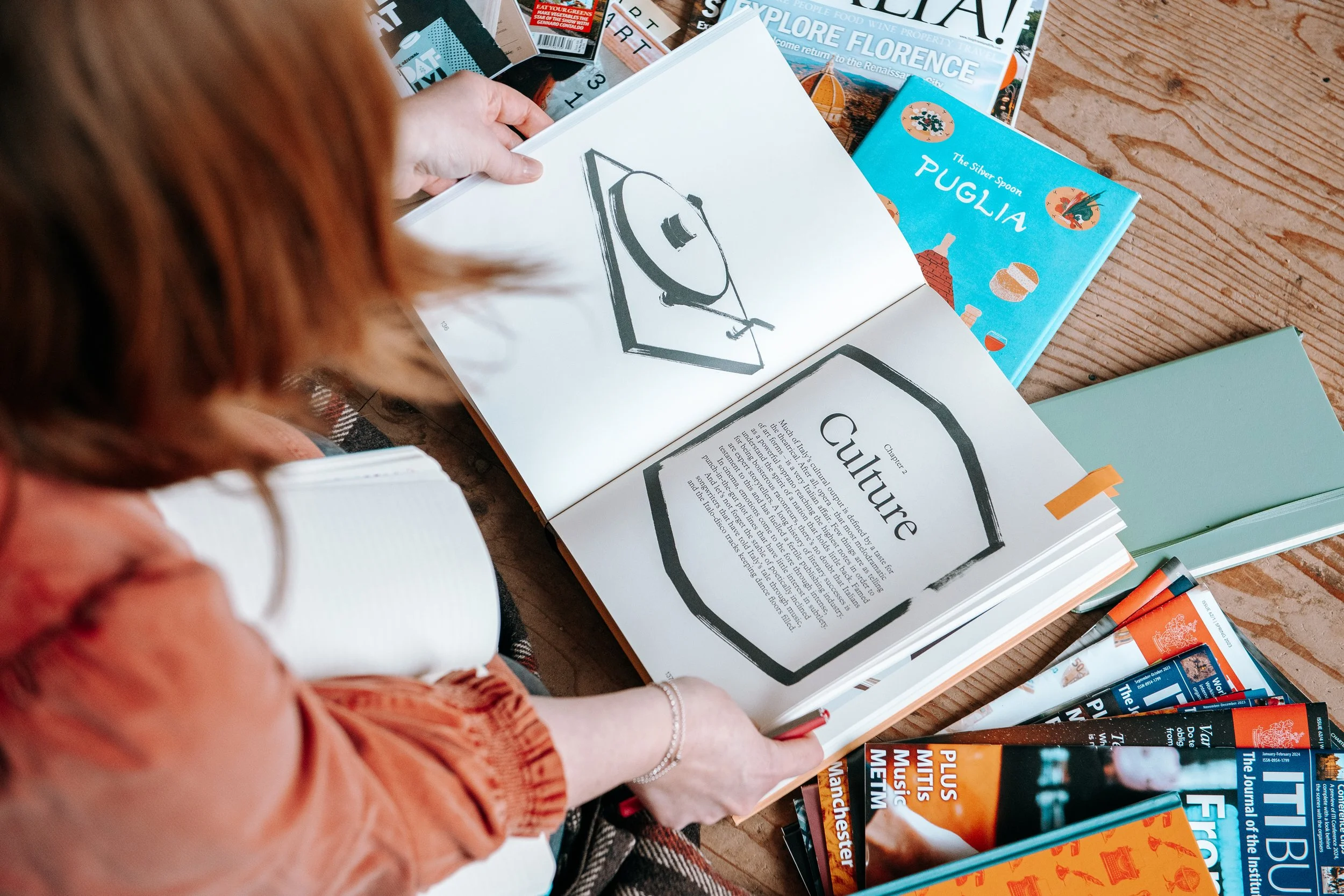
From Renaissance masterpieces to, world-renowned opera houses and indie film festivals that draw global audiences, Italian culture has so much to offer. And there is an enthusiastic English speaking audience that wants to engage with it. But when a translation doesn't quite do justice to the original, that connection can get lost along the way. An exhibition description that loses its warmth or a press release that doesn't capture the excitement of the original: these things matter more than we might realise.
Working in arts marketing alongside my freelance practice, I appreciate just how carefully curators and communicators choose their words. The thought that goes into every piece of interpretive text, press release, and social media caption is considerable. It feels important that this care carries across into English with the same thoughtfulness.
What does Italian-to-English translation look like in the arts and culture sector?
The range is broader than you might expect. Arts and culture organisations regularly need translation support across all sorts of content, including:
Exhibition texts, where every word counts and the register has to feel just right for the audience
Press releases, where a compelling story needs to land with journalists in English-speaking markets
Website and digital content, where tone of voice, SEO and readability all need to work in harmony
Artist statements and biographies, capturing an individual's voice
Social media and marketing copy, where creativity, brevity and cultural relevance are all at play
Subtitles and audio descriptions for film, video content and accessible formats
Each of these has its own demands and nuances, and they all benefit from a translator who understands the sector they're working in.
Why specialist knowledge makes a difference
Translation is a skill in itself, but translation in the arts and culture sector also calls for a genuine understanding of the world you're translating for. My background spans Italian language and culture, PR and marketing, and hands-on experience in the arts sector, which means that when I work on arts and culture content, I'm bringing more than linguistic ability to the table. I understand the context behind the words, the audience they're written for, and the purpose they need to serve.
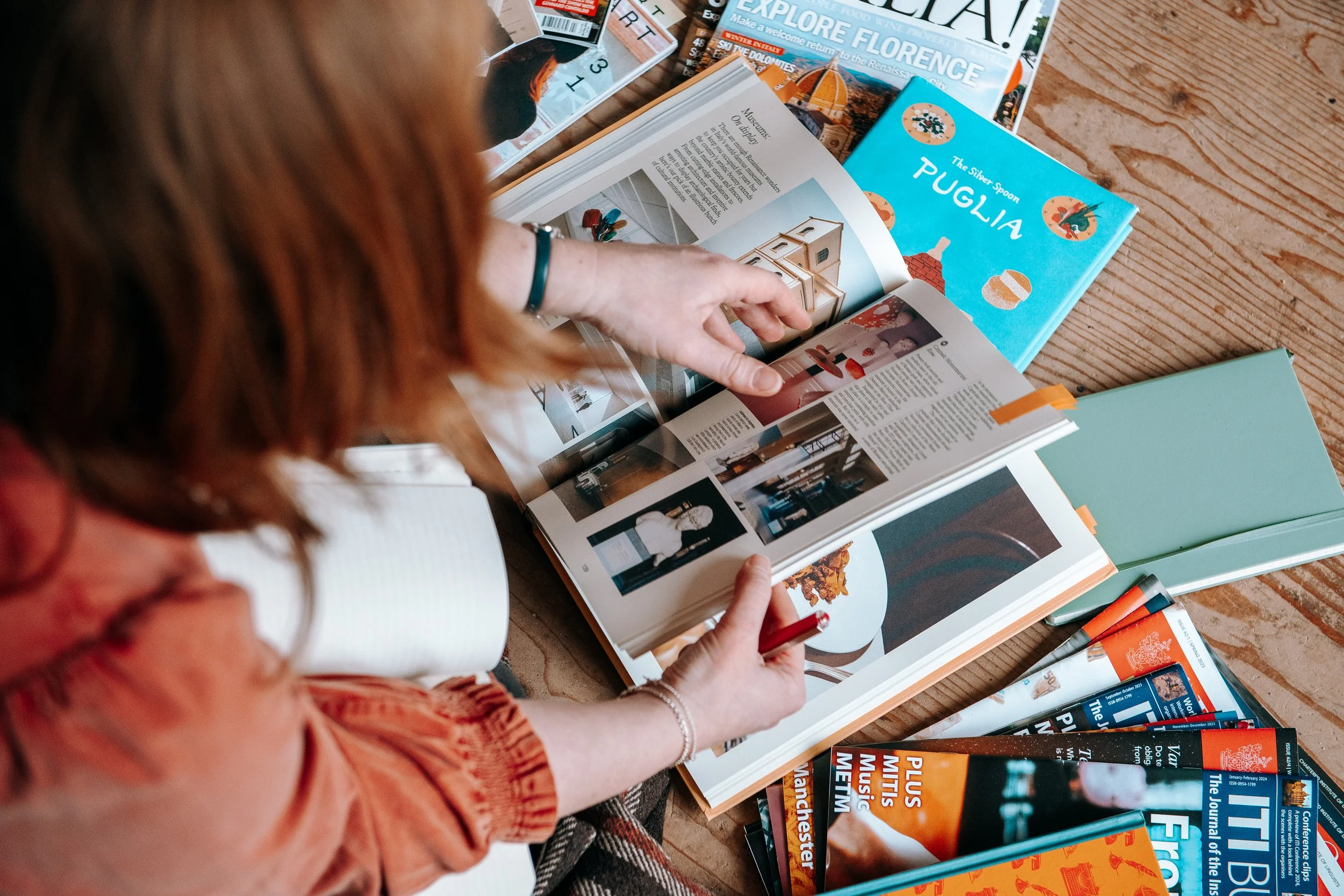
When I translate an artist's statement, I'm thinking about how that artist wants to be perceived by critics, collectors and the wider public. When I work on exhibition copy, I'm thinking about the visitor experience and how text needs to guide without overwhelming, to inform without patronising. When I'm writing a press release for an Italian cultural institution targeting UK media, I have a sense of what journalists respond to.
That kind of contextual knowledge is something that develops over years of being genuinely interested and immersed in this world.
Why it matters
We live in a world with more content than ever before, and audiences have more choice about where to direct their attention. The organisations that connect most meaningfully with their audiences, in any language, tend to be the ones who take communication seriously at every level.
For Italian arts and culture organisations, or those with Italian-language content to share, investing in thoughtful, specialist translation feels like a natural extension of the care that goes into the work itself.
A final thought
I became a translator because I find real joy in the art of carrying meaning across languages and cultures. Working in arts marketing has only deepened my appreciation for how much the right words can do, and how much can be lost when they fall short.
If you work for a museum, gallery, festival, arts organisation, or cultural institution with Italian-language content that needs to reach an English-speaking audience, I'd love to have a conversation about how I might be able to help.
Interested in working together? Get in touch at ciao@laurengilltranslates.com or visit the Translation or Writing pages to find out more about what I can offer.